


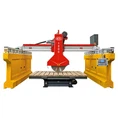


The blade replacement cycle for a tile cutter depends on a number of factors, including the material of the blade, the frequency of use, the type of tile being cut, and the operating environment. Generally speaking, the service life of the blade is limited, but there is no fixed time regulation, but it is judged according to the actual use. Here are some of the factors that affect insert change intervals:
Frequency of use
The frequency of use of the tile cutter directly affects the degree of wear and tear of the blades. If the cutter is used every day, especially in large-scale renovation projects, the wear and tear of the blades will accelerate and it will need to be replaced more frequently. For home users or occasional users, the blade has a relatively long lifespan and may only need to be replaced every few years.
The type of tile cut
The type of tile being cut can also affect the wear of the blade. Tiles with higher hardness, such as polished tiles, porcelain tiles, etc., will cause greater wear and tear on the blades, resulting in the blades needing to be replaced earlier. And some soft tiles, such as glazed tiles, terracotta tiles, etc., have less wear on the blade, so the service life of the blade will be longer.
Blade material
The material of the blade also determines its durability. Generally speaking, diamond blades have a long life and are suitable for long-term high-intensity use. If you are using a normal ceramic cutting blade, it has a shorter life and needs to be replaced more frequently.
How it works
The way it is operated while cutting also affects the life of the blade. Excessive pressure or improper handling methods, such as cutting too much hard material, can accelerate the wear of the blade. Therefore, the correct operation method will not only improve the cutting result, but also extend the life of the blade.
Blade condition check
It is very important to check the condition of the blade regularly. Signs of blade wear include unevenness during the cutting process, dull cutting edges, vibration or squeaks, etc. If you find that the blade has these problems, it means that the blade has been severely worn and should be replaced in time.
In general, the blade replacement time of a tile cutter depends on the environment and frequency of use. Often, if the blade is visibly worn, the cutting effect is worse, or there is an abnormal noise, etc., the blade needs to be replaced. In order to guarantee the quality and efficiency of the cut, it is recommended to check the blade regularly and replace it as needed.
How often do you need to change the blades of a tile cutter?
Jun 06, 2025 Leave a message
Send Inquiry