


In the realm of stone processing, the CNC Bridge Cutting Machine stands as a cornerstone of efficiency and precision. As a prominent supplier of these advanced machines, I often encounter inquiries regarding the cutting force distribution during the cutting process. Understanding this aspect is crucial for optimizing the machine's performance, enhancing the quality of the cut, and extending the lifespan of the cutting tools. In this blog post, I will delve into the intricacies of cutting force distribution in a CNC Bridge Cutting Machine and its implications for stone processing.
The Basics of Cutting Force in CNC Bridge Cutting Machines
Cutting force is the force exerted by the cutting tool on the workpiece during the cutting process. In a CNC Bridge Cutting Machine, this force is generated by the rotation of the diamond blade and its interaction with the stone material. The cutting force can be divided into three main components: the tangential force, the radial force, and the axial force.

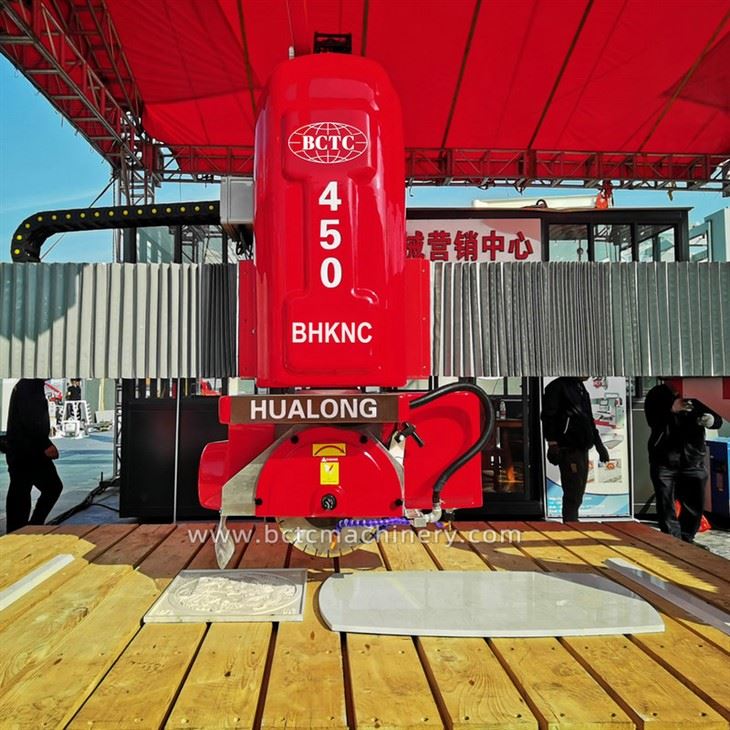
The tangential force, also known as the cutting force, is the force that acts in the direction of the blade's rotation. It is responsible for removing the material from the workpiece and is directly related to the cutting speed and the feed rate. A higher tangential force can result in a faster cutting speed but may also increase the wear on the blade.
The radial force acts perpendicular to the direction of the blade's rotation and is mainly caused by the lateral pressure exerted on the blade as it cuts through the stone. This force can affect the stability of the blade and may cause it to deflect or vibrate, leading to a poor-quality cut.
The axial force acts along the axis of the blade and is typically much smaller than the tangential and radial forces. It is mainly due to the friction between the blade and the workpiece and can influence the depth of cut and the surface finish.
Factors Affecting Cutting Force Distribution
Several factors can influence the cutting force distribution during the cutting process of a CNC Bridge Cutting Machine. These factors include the properties of the stone material, the geometry of the cutting tool, the cutting parameters, and the machine's design and setup.
Stone Material Properties
The hardness, density, and structure of the stone material play a significant role in determining the cutting force. Harder stones, such as granite, require higher cutting forces compared to softer stones, such as marble. The density of the stone also affects the cutting force, as denser stones generally require more energy to cut through. Additionally, the presence of inclusions, cracks, or other defects in the stone can cause variations in the cutting force and may lead to uneven wear on the blade.
Cutting Tool Geometry
The geometry of the cutting tool, including the blade diameter, the number of segments, and the segment shape, can have a significant impact on the cutting force distribution. A larger blade diameter generally results in a higher cutting force, as it covers a larger area of the workpiece. The number of segments on the blade can also affect the cutting force, with more segments typically resulting in a smoother cut but also increasing the cutting force. The shape of the segments, such as the gullet depth and the segment width, can influence the chip removal and the cutting efficiency, thereby affecting the cutting force.
Cutting Parameters
The cutting parameters, such as the cutting speed, the feed rate, and the depth of cut, are crucial factors in determining the cutting force distribution. A higher cutting speed generally requires a higher tangential force, while a higher feed rate can increase the radial force. The depth of cut also affects the cutting force, with a deeper cut requiring more force to remove the material. It is important to optimize these cutting parameters to achieve a balance between cutting efficiency and blade wear.
Machine Design and Setup
The design and setup of the CNC Bridge Cutting Machine can also affect the cutting force distribution. A well-designed machine with a rigid structure and a stable base can minimize vibrations and ensure a more uniform cutting force. The alignment of the blade and the workpiece, as well as the tension of the blade, are also important factors that can influence the cutting force and the quality of the cut.
Implications of Cutting Force Distribution
Understanding the cutting force distribution during the cutting process of a CNC Bridge Cutting Machine is essential for several reasons. Firstly, it can help in optimizing the cutting parameters to achieve the best possible cutting performance. By adjusting the cutting speed, feed rate, and depth of cut based on the cutting force distribution, it is possible to increase the cutting efficiency, reduce the blade wear, and improve the quality of the cut.
Secondly, knowledge of the cutting force distribution can aid in the selection of the appropriate cutting tool. Different types of blades are designed to handle different cutting forces and stone materials. By choosing a blade that is suitable for the specific cutting application, it is possible to ensure a longer blade lifespan and a more consistent cutting performance.
Finally, understanding the cutting force distribution can contribute to the overall safety and reliability of the CNC Bridge Cutting Machine. Excessive cutting forces can cause the machine to vibrate, which can lead to premature wear on the machine components and increase the risk of accidents. By monitoring and controlling the cutting force, it is possible to prevent these issues and ensure the safe and efficient operation of the machine.
Our CNC Bridge Cutting Machines and Cutting Force Optimization
As a supplier of Monoblock Bridge Saw, Bridge Saw Cutting Machine, and Cnc Stone Machine, we are committed to providing our customers with machines that offer optimal cutting force distribution. Our machines are designed with advanced features and technologies to ensure a stable and efficient cutting process.
We use high-quality components and materials in the construction of our machines to minimize vibrations and ensure a rigid structure. Our machines are also equipped with precise control systems that allow for accurate adjustment of the cutting parameters, enabling our customers to optimize the cutting force distribution based on the specific requirements of each cutting application.
In addition, we offer comprehensive technical support and training to our customers to help them understand the cutting force distribution and how to optimize the cutting process. Our team of experts is always available to answer any questions and provide guidance on the selection of the appropriate cutting tools and the adjustment of the cutting parameters.
Contact Us for Your Cutting Needs
If you are in the market for a CNC Bridge Cutting Machine or have any questions about cutting force distribution and its implications for your stone processing operations, we would be delighted to hear from you. Our experienced sales team is ready to assist you in finding the right machine for your needs and to provide you with all the information and support you require.
Whether you are a small stone fabricator or a large-scale stone processing company, our CNC Bridge Cutting Machines can help you achieve higher productivity, better quality cuts, and lower operating costs. Contact us today to start a conversation about how we can help you take your stone processing to the next level.
References
- Armarego, E. J. A., & Brown, G. C. (2000). Metal cutting principles. Butterworth-Heinemann.
- Shaw, M. C. (2005). Metal cutting principles (2nd ed.). Oxford University Press.
- Trent, E. M., & Wright, P. K. (2000). Metal cutting (4th ed.). Butterworth-Heinemann.