


Maintaining a waterjet cutting machine is crucial for ensuring its optimal performance, longevity, and safety. As a supplier of waterjet cutting machines, I understand the importance of proper maintenance and am here to share some valuable insights on how to keep your machine in top condition.
Regular Cleaning
One of the most fundamental aspects of waterjet cutting machine maintenance is regular cleaning. Over time, debris, abrasive particles, and contaminants can accumulate on the machine's components, leading to increased wear and tear, reduced efficiency, and potential malfunctions. To prevent these issues, it is essential to clean the machine thoroughly on a regular basis.

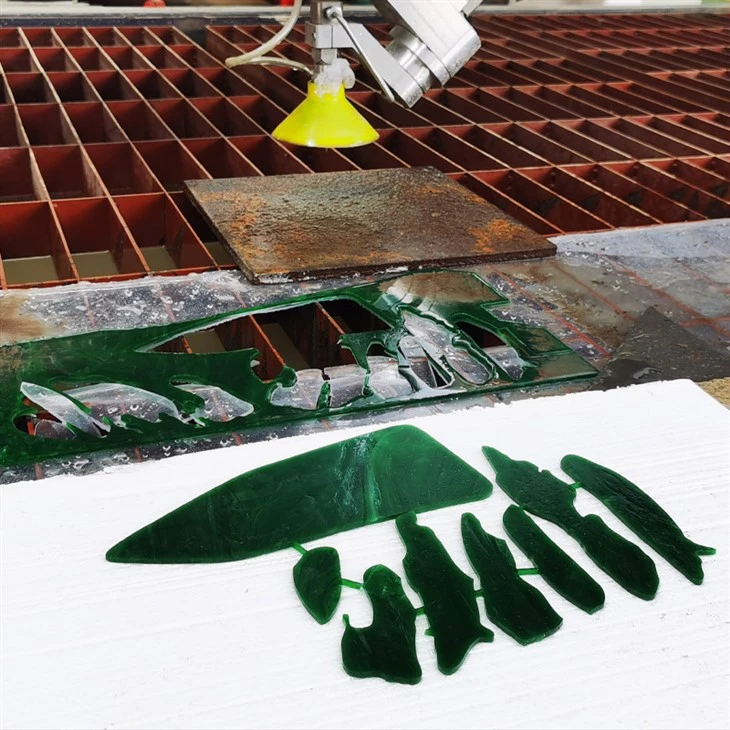
Start by removing any loose debris and dust from the machine's exterior using a soft brush or compressed air. Pay special attention to the areas around the cutting head, nozzles, and pumps, as these are the most likely to accumulate debris. Next, clean the interior of the machine, including the cutting table, water tank, and plumbing system. Use a mild detergent and water solution to remove any stubborn stains or contaminants, and rinse the components thoroughly with clean water.
In addition to regular cleaning, it is also important to perform a deep cleaning of the machine at least once a year. This involves disassembling the machine's components, cleaning them individually, and inspecting them for any signs of damage or wear. A deep cleaning can help to identify and address potential issues before they become major problems, and can also extend the lifespan of the machine.
Lubrication
Proper lubrication is essential for ensuring the smooth operation of a waterjet cutting machine. The machine's moving parts, such as the pumps, valves, and bearings, require regular lubrication to reduce friction, prevent wear and tear, and ensure optimal performance. To lubricate the machine correctly, it is important to use the recommended lubricants and follow the manufacturer's instructions.
Before lubricating the machine, make sure to clean the components thoroughly to remove any dirt, debris, or old lubricant. Use a clean cloth or brush to apply the lubricant to the moving parts, and make sure to cover all areas evenly. Avoid over-lubricating the machine, as this can lead to the accumulation of excess lubricant, which can attract dirt and debris and cause damage to the components.
In addition to regular lubrication, it is also important to monitor the lubricant levels in the machine and refill them as needed. Most waterjet cutting machines are equipped with lubricant level indicators, which can help you to determine when the lubricant needs to be refilled. If you notice any signs of low lubricant levels, such as increased noise or vibration, it is important to refill the lubricant immediately to prevent damage to the machine.
Inspection and Maintenance of Components
Regular inspection and maintenance of the waterjet cutting machine's components are essential for ensuring its safe and efficient operation. The machine's components, such as the pumps, valves, nozzles, and cutting head, are subject to wear and tear over time, and can develop issues such as leaks, blockages, or malfunctions. To prevent these issues, it is important to inspect the components regularly and perform any necessary maintenance or repairs.
Start by inspecting the machine's exterior for any signs of damage or wear, such as cracks, dents, or rust. Check the machine's electrical connections and wiring for any signs of damage or loose connections, and make sure that all the safety guards and covers are in place and functioning properly. Next, inspect the machine's interior components, such as the pumps, valves, and nozzles, for any signs of leaks, blockages, or damage. Use a pressure gauge to check the pressure of the water and abrasive systems, and make sure that they are operating within the recommended range.
If you notice any signs of damage or wear during the inspection, it is important to address the issue immediately. Depending on the severity of the issue, you may be able to perform the repairs yourself or may need to contact a professional technician for assistance. Regular maintenance and repairs can help to prevent major breakdowns and extend the lifespan of the machine.
Water Quality Management
The quality of the water used in a waterjet cutting machine is crucial for its performance and longevity. Impurities in the water, such as minerals, sediment, and bacteria, can cause damage to the machine's components, reduce its efficiency, and affect the quality of the cuts. To ensure the optimal performance of the machine, it is important to manage the water quality properly.
Start by using a high-quality water filtration system to remove impurities from the water before it enters the machine. The filtration system should be capable of removing particles as small as 1 micron, and should be replaced regularly to ensure its effectiveness. In addition to using a filtration system, it is also important to monitor the water quality regularly and adjust the filtration system as needed.
Another important aspect of water quality management is the use of additives. Additives can help to prevent the growth of bacteria and algae in the water, reduce the formation of scale and corrosion, and improve the lubrication of the machine's components. There are several types of additives available on the market, and it is important to choose the one that is suitable for your machine and the type of water you are using.
Training and Safety
Proper training and safety procedures are essential for ensuring the safe and efficient operation of a waterjet cutting machine. Before operating the machine, it is important to receive comprehensive training from a qualified instructor. The training should cover all aspects of the machine's operation, including its controls, safety features, maintenance procedures, and troubleshooting techniques.
In addition to training, it is also important to follow all safety procedures when operating the machine. This includes wearing appropriate personal protective equipment (PPE), such as safety glasses, gloves, and ear protection, and following the manufacturer's instructions and guidelines. Make sure to keep the work area clean and organized, and avoid placing any objects or materials near the machine that could interfere with its operation.
Conclusion
Maintaining a waterjet cutting machine is a complex and ongoing process that requires regular attention and care. By following the tips and guidelines outlined in this blog post, you can ensure the optimal performance, longevity, and safety of your machine. Remember to clean the machine regularly, lubricate its moving parts, inspect and maintain its components, manage the water quality properly, and provide proper training and safety procedures for your operators.
If you are interested in purchasing a waterjet cutting machine or need more information about maintenance and support, please visit our website to learn more about our Cnc Water Jet Cutting Machine Stone and Water Jet Cutting Machine Stone. Our team of experts is always available to answer your questions and provide you with the support you need to keep your machine running smoothly.
References
- Manufacturer's manual for waterjet cutting machines
- Industry standards and best practices for waterjet cutting machine maintenance
- Technical articles and research papers on waterjet cutting technology and maintenance