


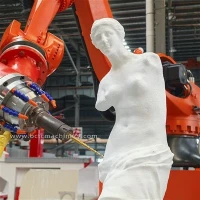


As a supplier of Stone Line Polishing Machines, I've received numerous inquiries about how to ensure the synchronization of multiple polishing heads in these machines. It's a crucial aspect, as proper synchronization directly impacts the quality and efficiency of stone polishing. In this blog, I'll share some practical tips and insights based on my experience in the industry.
Understanding the Basics of Multi - Head Stone Line Polishing Machines
Before diving into synchronization methods, let's quickly go over what a multi - head Stone Line Polishing Machine is. These machines are designed to polish large stone slabs or tiles in a continuous line. Multiple polishing heads work simultaneously to speed up the process and achieve a uniform finish. Each head can be equipped with different polishing tools, such as diamond pads, to perform various stages of polishing, from rough grinding to fine finishing.
You might be familiar with Single Head Stone Polishing Machine or Single Head Marble Polishing Machine. While single - head machines are great for smaller jobs or specific tasks, multi - head machines are the go - to for large - scale stone processing. Check out our Stone Line Polishing Machine for more details on the capabilities of these powerful machines.
Factors Affecting Synchronization
There are several factors that can affect the synchronization of multiple polishing heads. One of the most significant is the mechanical design of the machine. If the drive system, such as the belts, gears, or motors, is not properly calibrated, it can lead to differences in the speed and movement of the polishing heads.
Another factor is the control system. Modern Stone Line Polishing Machines often use advanced control systems to manage the operation of the polishing heads. However, if the control software is not configured correctly or if there are glitches in the system, synchronization issues can occur.
The quality and condition of the polishing heads themselves also play a role. Worn - out or damaged polishing heads may not operate at the same speed or pressure as the others, causing uneven polishing results.
Methods to Ensure Synchronization
1. Mechanical Calibration
The first step in ensuring synchronization is to perform a thorough mechanical calibration of the machine. This involves checking and adjusting the drive system components. For example, make sure the belts are properly tensioned. Loose belts can slip, causing differences in the speed of the polishing heads. Gears should be inspected for wear and tear and replaced if necessary.
The alignment of the polishing heads is also crucial. Misaligned heads can cause uneven pressure on the stone surface, leading to inconsistent polishing. Use precision measuring tools to ensure that all the heads are in the correct position and orientation.
2. Control System Optimization
The control system is the brain of the Stone Line Polishing Machine. To ensure synchronization, it's essential to optimize the control software. Start by setting the correct parameters for each polishing head, such as speed, pressure, and rotation direction. These parameters should be based on the type of stone being polished and the desired finish.
Regularly update the control software to the latest version. Manufacturers often release software updates to fix bugs and improve performance. A well - maintained control system can significantly enhance the synchronization of the polishing heads.
3. Monitoring and Feedback
Implement a monitoring system to keep track of the performance of each polishing head. This can include sensors that measure the speed, pressure, and temperature of the heads. By collecting this data, you can quickly identify any deviations from the normal operating conditions.
Use the feedback from the monitoring system to make real - time adjustments. For example, if a particular polishing head is running slower than the others, the control system can automatically increase its speed to maintain synchronization.
4. Maintenance and Replacement
Regular maintenance is key to ensuring the long - term synchronization of the polishing heads. Clean the heads regularly to remove any debris or residue that could affect their performance. Lubricate the moving parts to reduce friction and wear.
Replace worn - out or damaged polishing heads promptly. Using consistent and high - quality polishing heads across the machine will help maintain synchronization and improve the overall quality of the polishing process.
Troubleshooting Synchronization Issues
Even with the best preventive measures, synchronization issues may still occur. Here are some common problems and their solutions:
1. Speed Differences
If you notice that some polishing heads are running at different speeds, first check the drive system. As mentioned earlier, loose belts or worn gears could be the culprit. Tighten the belts or replace the gears as needed.
Also, review the control system settings. Make sure that the speed parameters for all the heads are the same. If the problem persists, there may be an issue with the motor or the speed sensor of the affected head. Consult a technician to diagnose and fix the problem.
2. Uneven Pressure
Uneven pressure on the stone surface can result in uneven polishing. Check the hydraulic or pneumatic systems that control the pressure of the polishing heads. Make sure that the pressure is evenly distributed among all the heads.
Inspect the polishing pads for wear. Worn pads may not apply the same pressure as new ones. Replace the pads if necessary to ensure consistent pressure across the stone surface.
3. Vibration
Excessive vibration can disrupt the synchronization of the polishing heads. Check for loose components in the machine, such as bolts or brackets. Tighten them to reduce vibration.
If the vibration is caused by an unbalanced polishing head, balance the head using a balancing tool. An unbalanced head can cause uneven wear and tear and affect the overall performance of the machine.


Conclusion
Ensuring the synchronization of multiple polishing heads in a multi - head Stone Line Polishing Machine is a complex but achievable task. By following the methods outlined above, including mechanical calibration, control system optimization, monitoring, and regular maintenance, you can significantly improve the synchronization and, in turn, the quality of your stone polishing.
If you're in the market for a high - quality Stone Line Polishing Machine or need more advice on synchronization and other aspects of stone polishing, don't hesitate to reach out. We're here to help you make the most of your stone processing operations. Contact us to start a conversation about your specific needs and explore how our machines can meet your requirements.
References
- Industry standards and guidelines for stone polishing machine operation.
- Manufacturer's manuals for Stone Line Polishing Machines.
- Technical papers on the synchronization of multi - axis industrial machines.