


As a supplier of thin stone veneer saws, I've had numerous discussions with customers about the accuracy of these machines during cutting operations. In this blog, I'll delve into the factors that affect the accuracy of thin stone veneer saws and provide a comprehensive analysis of how precise they can be.

Understanding the Basics of Thin Stone Veneer Saws
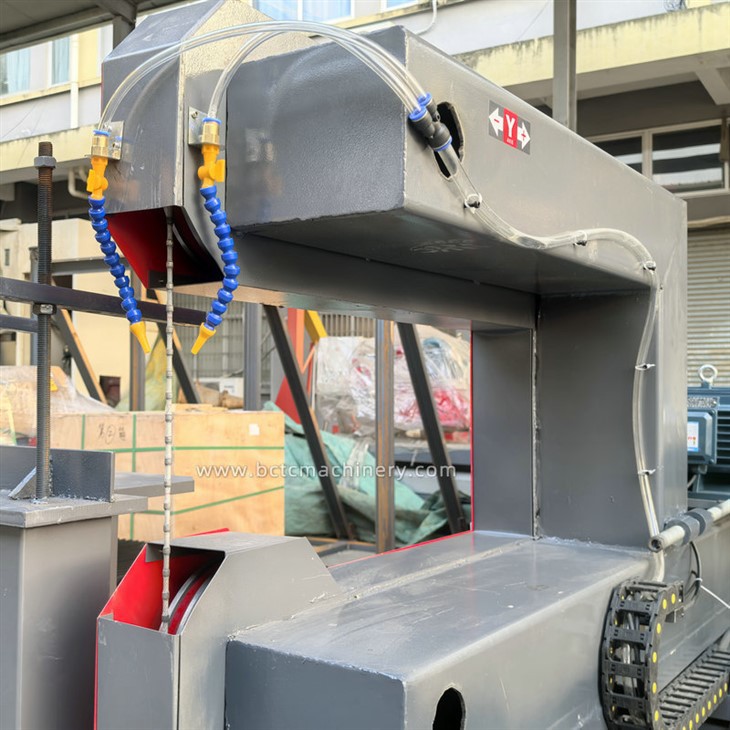
Thin stone veneer saws are specialized machines designed to cut thin slices of stone, typically used for decorative purposes such as wall cladding, flooring, and countertops. These saws use a variety of cutting methods, including diamond blades, wire saws, and abrasive wheels, to achieve the desired cut. The accuracy of a thin stone veneer saw is crucial, as it directly impacts the quality of the final product.
Factors Affecting Cutting Accuracy
Several factors can influence the accuracy of a thin stone veneer saw. Understanding these factors is essential for ensuring optimal performance and achieving precise cuts.
Blade Quality and Condition
The quality and condition of the cutting blade are perhaps the most critical factors affecting cutting accuracy. A high - quality diamond blade with sharp and evenly spaced teeth will provide cleaner and more precise cuts compared to a worn - out or low - quality blade. Over time, the blade can become dull, chipped, or uneven, which can lead to inaccurate cuts, rough edges, and increased waste. Regular blade maintenance, including sharpening and replacement when necessary, is essential for maintaining cutting accuracy.
Machine Stability
The stability of the sawing machine is another important factor. A stable machine will minimize vibrations during the cutting process, which can cause the blade to deviate from the intended cutting path. Factors such as the machine's base design, weight distribution, and the quality of its mounting can all affect its stability. Machines with a solid and well - constructed base are less likely to vibrate, resulting in more accurate cuts.
Cutting Speed and Feed Rate
The cutting speed and feed rate also play a significant role in cutting accuracy. If the cutting speed is too high or the feed rate is too fast, the blade may not have enough time to cut through the stone cleanly, leading to rough edges and inaccurate cuts. On the other hand, if the cutting speed is too low or the feed rate is too slow, it can cause excessive heat buildup, which can damage the blade and the stone. Finding the optimal cutting speed and feed rate for the specific type of stone and blade being used is crucial for achieving accurate cuts.
Stone Characteristics
The characteristics of the stone being cut, such as its hardness, density, and grain structure, can also affect cutting accuracy. Harder stones may require a slower cutting speed and a more robust blade to achieve a clean cut, while softer stones may be more prone to chipping or cracking if the cutting process is not carefully controlled. Additionally, stones with an irregular grain structure may pose challenges in achieving straight and precise cuts.
Measuring Cutting Accuracy
To determine the accuracy of a thin stone veneer saw, several methods can be used. One common method is to measure the thickness and width of the cut stone pieces. Deviations from the desired dimensions can indicate a lack of cutting accuracy. Another method is to visually inspect the edges of the cut pieces for smoothness and straightness. Rough or uneven edges can be a sign of inaccurate cutting.
In addition, advanced measurement tools such as calipers, micrometers, and laser measurement devices can be used to obtain more precise measurements of the cut pieces. These tools can help identify even the smallest deviations from the desired dimensions, allowing for adjustments to be made to the sawing process.
Achieving High - Accuracy Cuts
To achieve high - accuracy cuts with a thin stone veneer saw, the following best practices should be followed:
Select the Right Blade
Choose a blade that is specifically designed for the type of stone being cut. Consider factors such as the blade's diameter, tooth configuration, and bond type. A well - matched blade will provide better cutting performance and accuracy.
Maintain the Machine
Regularly clean and lubricate the sawing machine to ensure smooth operation. Check the machine's alignment and calibration periodically to ensure that it is cutting straight and true. Replace worn - out parts, such as belts, bearings, and pulleys, as soon as possible to prevent further damage and maintain cutting accuracy.
Optimize Cutting Parameters
Experiment with different cutting speeds and feed rates to find the optimal settings for the specific stone and blade combination. Use the manufacturer's recommendations as a starting point and make adjustments based on the actual cutting results.
Train Operators
Proper training of machine operators is essential for achieving accurate cuts. Operators should be familiar with the machine's operation, safety procedures, and cutting techniques. They should also be able to recognize and troubleshoot common cutting problems, such as blade wear, vibration, and inaccurate cuts.
Complementary Stone Cutting Machines
In addition to thin stone veneer saws, there are other types of stone cutting machines that can be used in conjunction to achieve different cutting requirements. For example, the Granite Rope Cutting Machine is suitable for cutting large blocks of granite. It uses a diamond - impregnated rope to make precise cuts, which is particularly useful for shaping large stone pieces.
The Manual Stone Edge Cutting Machine provides a more hands - on approach to cutting stone edges. It allows operators to make detailed and precise cuts on the edges of stone pieces, which is essential for creating finished products with smooth and straight edges.
The Marble Slab Splitting Machine is designed specifically for splitting marble slabs into thinner pieces. This machine can achieve relatively accurate splits, which is useful for producing thin marble veneers.
Conclusion
The accuracy of a thin stone veneer saw depends on a variety of factors, including blade quality, machine stability, cutting speed and feed rate, and stone characteristics. By understanding these factors and following best practices, high - accuracy cuts can be achieved. At our company, we are committed to providing high - quality thin stone veneer saws that are designed to meet the most demanding cutting requirements. Our saws are engineered with precision and reliability in mind, ensuring that you can achieve accurate and consistent cuts every time.
If you are in the market for a thin stone veneer saw or have any questions about our products, we encourage you to contact us to discuss your specific needs. Our team of experts is ready to assist you in finding the right solution for your stone cutting requirements.
References
- Smith, J. (2018). Stone Cutting Technology: Principles and Practices. Stone Industry Press.
- Johnson, A. (2019). Advances in Diamond Blade Technology for Stone Cutting. Journal of Stone Processing, 25(3), 45 - 52.
- Brown, R. (2020). Optimizing Cutting Parameters for Different Stone Types. International Journal of Stoneworking, 12(2), 78 - 85.