


Hey there! As a supplier of stone block cutting machines, I often get asked about how to calibrate these machines. Calibration is super important to ensure that your machine cuts accurately and efficiently. In this blog post, I'll walk you through the steps of calibrating a stone block cutting machine.
Why Calibration Matters
Before we dive into the calibration process, let's talk about why it's so crucial. A well - calibrated stone block cutting machine can save you a ton of time and money. It ensures that the cuts are precise, which means less waste of expensive stone materials. Also, it helps in maintaining the quality of the finished products. If the machine isn't calibrated correctly, you might end up with uneven cuts, which can be a real headache for your customers.
Tools You'll Need
First things first, you'll need a few tools to calibrate your stone block cutting machine. These include:
- A precision measuring tool, like a micrometer or a caliper. This will help you measure the cutting blade's position and the dimensions of the cuts accurately.
- A level. A level is essential to make sure that the machine is perfectly horizontal. If the machine is tilted, it can lead to inaccurate cuts.
- A torque wrench. This is used to tighten the bolts and nuts on the machine to the correct specifications. Loose bolts can cause vibrations, which can affect the cutting quality.
Step 1: Check the Machine's Alignment
The first step in calibrating your stone block cutting machine is to check its alignment. Start by placing the level on the base of the machine. Make sure that the machine is completely level. If it's not, adjust the leveling feet until the bubble in the level is centered.
Next, check the alignment of the cutting blade. Use your precision measuring tool to measure the distance between the blade and the guide rails. This distance should be consistent along the entire length of the blade. If there are any discrepancies, you'll need to adjust the blade's position.
Step 2: Set the Cutting Depth
The cutting depth is another important factor in calibration. You need to set the cutting depth according to the type of stone you're cutting and the requirements of your project. Most stone block cutting machines have a depth adjustment mechanism. Use your measuring tool to set the cutting depth accurately.
For example, if you're cutting a marble block, you might want to set a shallower cutting depth to avoid chipping. On the other hand, when cutting granite, you can set a slightly deeper depth as granite is a harder material.
Step 3: Adjust the Blade Speed
The speed of the cutting blade also plays a crucial role in the calibration process. Different types of stones require different blade speeds. For softer stones like marble, a slower blade speed might be sufficient. However, for harder stones like granite, you'll need a faster blade speed.

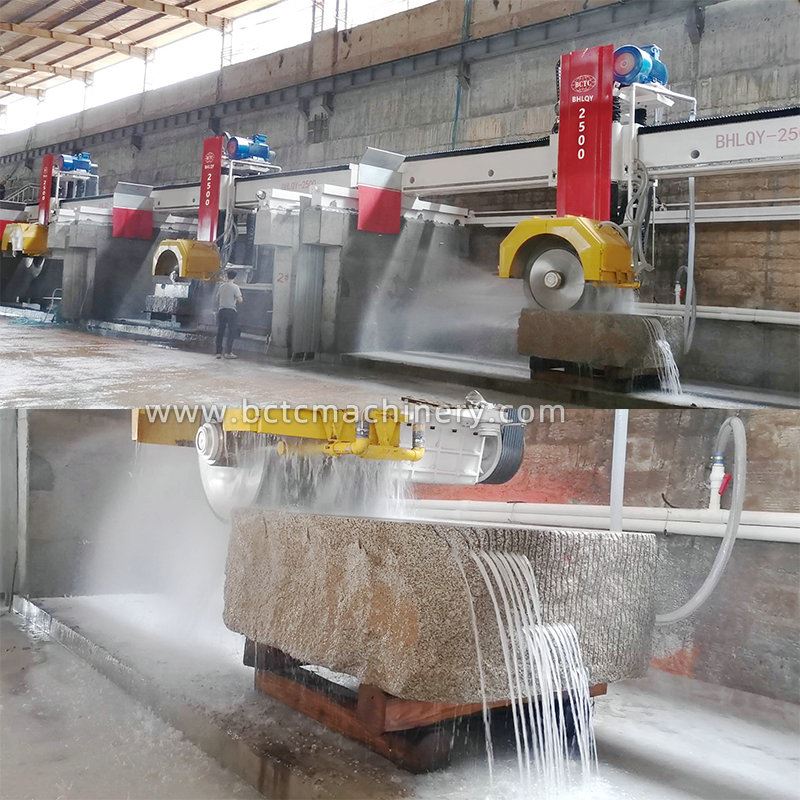
Refer to the machine's manual to find the recommended blade speed for the type of stone you're cutting. You can usually adjust the blade speed using the control panel on the machine.
Step 4: Check the Tension of the Blade
The tension of the cutting blade is another important aspect of calibration. A blade that is too loose can cause it to wobble during cutting, resulting in uneven cuts. On the other hand, a blade that is too tight can put excessive stress on the machine and the blade itself.
Use a tension gauge to check the tension of the blade. Adjust the tension according to the manufacturer's recommendations. This usually involves turning a tension adjustment knob on the machine.
Step 5: Test the Machine
Once you've completed all the calibration steps, it's time to test the machine. Make a test cut on a small piece of stone. Check the quality of the cut. Look for any signs of unevenness, chipping, or other defects.
If the cut is not satisfactory, go back and re - check your calibration settings. Make any necessary adjustments and test the machine again until you get a perfect cut.
Our Stone Block Cutting Machines
At our company, we offer a wide range of stone block cutting machines, including the Marble Block Cutting Machine, the Multi Blade Granite Cutting Machine, and the Block Stone Cutting Machine. These machines are designed to be easy to calibrate and operate, ensuring that you get the best results every time.
Contact Us for More Information
If you're in the market for a stone block cutting machine or need more information about calibration, don't hesitate to reach out. We're here to help you make the right choice and ensure that your machine is calibrated correctly. Whether you're a small - scale stone cutter or a large - scale manufacturer, we have the right machine for you.
References
- Stone Cutting Machine Manuals
- Industry Standards for Stone Cutting
That's all for today's blog post. I hope this guide on calibrating a stone block cutting machine has been helpful. If you have any questions or need further assistance, feel free to leave a comment below.