


As a supplier of other stone machines, I understand the importance of adjusting processing parameters to ensure optimal performance and high - quality output. In this blog, I'll share some insights on how to adjust the processing parameters of other stone machines effectively.
Understanding the Basics of Stone Machine Processing Parameters
Before delving into the adjustment process, it's essential to understand what processing parameters are. These parameters typically include cutting speed, feed rate, pressure, and the angle of operation. Each of these factors plays a crucial role in determining the quality of the finished stone product.
Cutting Speed
Cutting speed refers to how fast the cutting tool moves through the stone. A higher cutting speed can increase productivity, but it may also lead to a rougher finish and more wear on the cutting tool. On the other hand, a lower cutting speed can result in a smoother finish but at the expense of time.
When adjusting the cutting speed, you need to consider the type of stone. For softer stones like limestone, a higher cutting speed can be used. However, for harder stones such as granite, a lower cutting speed is often required to avoid excessive tool wear and ensure a clean cut. Our Granite Rope Cutting Machine is designed to handle granite with precision, and adjusting the cutting speed according to the granite's hardness is key to its efficient operation.
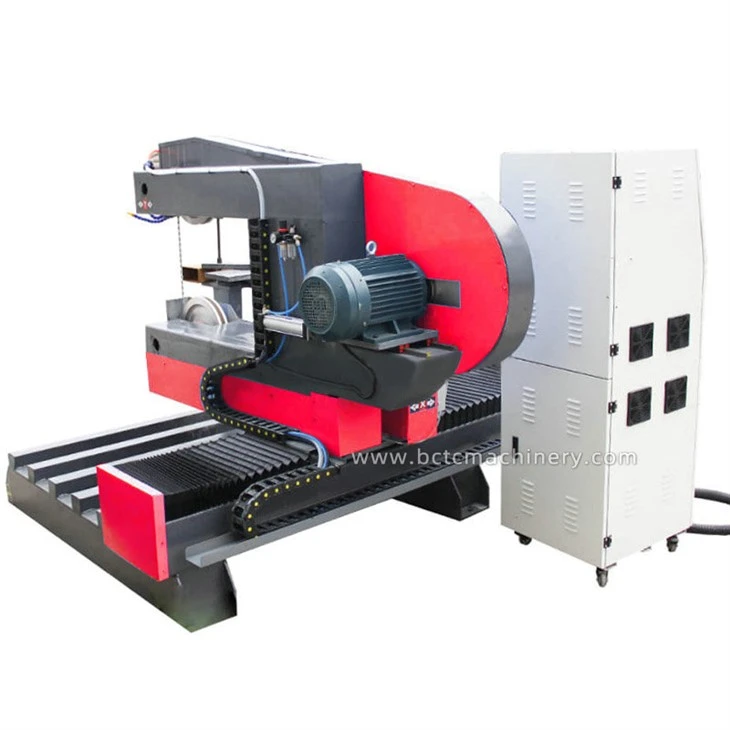

Feed Rate
The feed rate determines how quickly the stone is fed into the cutting tool. Similar to cutting speed, a higher feed rate can boost productivity but may compromise the quality of the cut. A too - high feed rate can cause the cutting tool to break or produce an uneven surface on the stone.
When setting the feed rate, you should take into account the thickness of the stone and the type of cutting tool. Thicker stones usually require a slower feed rate. For example, when using our Multi Blade Stone Cross Cutter, adjusting the feed rate based on the stone's thickness and the number of blades in use is essential for achieving accurate and clean cuts.
Pressure
Pressure is another critical parameter, especially in machines that involve grinding or polishing. The right amount of pressure ensures that the abrasive or polishing material makes proper contact with the stone surface. Too much pressure can damage the stone, while too little pressure may result in an ineffective finish.
When adjusting the pressure, it's important to start with a low pressure and gradually increase it while monitoring the stone's surface. Different stones have different tolerance levels for pressure. For instance, marble is more delicate than granite, so it requires a lower pressure during processing.
Angle of Operation
The angle of operation affects the shape and quality of the cut. In sawing machines, the angle can determine the bevel of the stone edge. For example, a 45 - degree angle can be used to create a decorative bevel on the edge of a stone slab.
When setting the angle of operation, you need to refer to the design requirements of the final product. Our Cnc Diamond Wire Saw offers precise control over the cutting angle, allowing for complex and accurate cuts according to your specific needs.
Step - by - Step Guide to Adjusting Processing Parameters
Step 1: Analyze the Stone
The first step is to thoroughly analyze the stone you'll be processing. Determine its type, hardness, density, and any other relevant characteristics. This information will serve as the foundation for adjusting the processing parameters.
Step 2: Refer to the Machine Manual
Every stone machine comes with a manual that provides recommended processing parameters for different types of stones. Refer to this manual as a starting point for your adjustments. However, keep in mind that these are general guidelines, and you may need to make further fine - tuning based on your specific situation.
Step 3: Conduct Test Runs
Before starting full - scale production, conduct test runs on a small piece of the same type of stone. This allows you to observe how the machine performs with the initial parameter settings and make any necessary adjustments.
During the test run, pay close attention to the quality of the cut or finish, the noise level of the machine, and the wear on the cutting or processing tools. If the cut is rough or the tool is wearing out too quickly, you may need to adjust the cutting speed, feed rate, or pressure.
Step 4: Make Incremental Adjustments
If the test run results are not satisfactory, make incremental adjustments to the processing parameters. For example, if the cutting speed is too high and causing a rough finish, reduce it by a small amount and conduct another test run. Repeat this process until you achieve the desired results.
Step 5: Monitor and Maintain
Once you've set the optimal processing parameters, it's important to monitor the machine's performance during production. Regularly check the tools for wear and replace them as needed. Also, keep an eye on the quality of the finished products to ensure that the parameters remain appropriate.
Troubleshooting Common Issues
Even with careful parameter adjustment, you may encounter some common issues during stone processing. Here are some solutions:
Uneven Cuts
If you notice uneven cuts, it could be due to an incorrect feed rate, a dull cutting tool, or an unstable machine. Check the feed rate and make sure it's consistent. Replace the cutting tool if it's dull, and ensure that the machine is properly calibrated and secured.
Excessive Tool Wear
Excessive tool wear can be caused by a high cutting speed, a high feed rate, or inappropriate pressure. Lower the cutting speed and feed rate, and adjust the pressure to reduce tool wear. Also, make sure you're using the right type of cutting tool for the stone.
Poor Surface Finish
A poor surface finish may result from incorrect pressure during grinding or polishing. Adjust the pressure to ensure proper contact between the abrasive or polishing material and the stone surface. You may also need to check the quality of the abrasive or polishing material.
Conclusion
Adjusting the processing parameters of other stone machines is a complex but essential task. By understanding the basic parameters, following a step - by - step adjustment process, and troubleshooting common issues, you can ensure that your stone machines operate at their best and produce high - quality stone products.
As a supplier of other stone machines, we are committed to providing you with the best equipment and technical support. If you have any questions about adjusting processing parameters or are interested in our products, such as the Granite Rope Cutting Machine, Multi Blade Stone Cross Cutter, or Cnc Diamond Wire Saw, please feel free to contact us for more information and to start a purchase negotiation.
References
- Stone Processing Technology Handbook
- Manufacturer's manuals for stone machines