


Can a waterjet cutting machine be used for precision cutting?
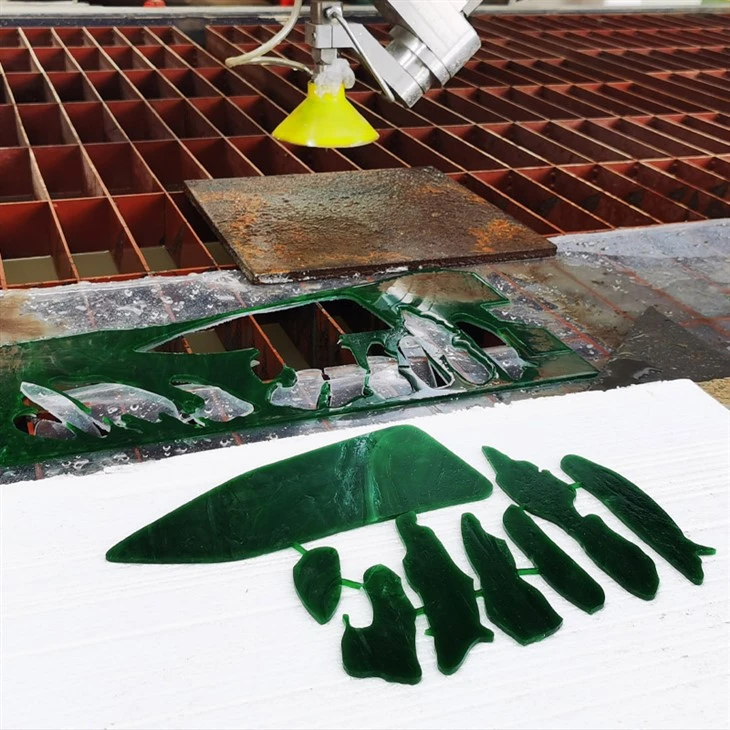

In the world of manufacturing and fabrication, precision cutting is a crucial process that can make or break a project. Whether you're working with metal, stone, glass, or other materials, achieving accurate cuts with tight tolerances is often a top priority. One technology that has gained significant attention in recent years for its potential in precision cutting is the waterjet cutting machine. As a supplier of waterjet cutting machines, I'm frequently asked about the capabilities of these machines when it comes to precision cutting. In this blog post, I'll explore the answer to the question: Can a waterjet cutting machine be used for precision cutting?
Understanding Waterjet Cutting Technology
Before delving into the precision capabilities of waterjet cutting machines, it's important to understand how they work. Waterjet cutting is a process that uses a high-pressure stream of water, often mixed with an abrasive material, to cut through various materials. The water is pressurized to extremely high levels, typically ranging from 30,000 to 90,000 pounds per square inch (psi), and then forced through a small nozzle, creating a focused jet of water that can cut through even the toughest materials.
There are two main types of waterjet cutting machines: pure waterjet and abrasive waterjet. Pure waterjet cutting uses only high-pressure water to cut through soft materials such as foam, rubber, and paper. Abrasive waterjet cutting, on the other hand, adds an abrasive material, such as garnet, to the water stream, which increases the cutting power and allows the machine to cut through harder materials such as metal, stone, and glass.
Precision Cutting with Waterjet Machines
Now, let's address the question at hand: Can a waterjet cutting machine be used for precision cutting? The answer is a resounding yes. Waterjet cutting machines are capable of achieving extremely high levels of precision, making them an ideal choice for a wide range of precision cutting applications.
Tight Tolerances
One of the key advantages of waterjet cutting is its ability to maintain tight tolerances. Tolerance refers to the allowable deviation from a specified dimension, and in precision cutting, tight tolerances are essential for ensuring that parts fit together correctly and function as intended. Waterjet cutting machines can typically achieve tolerances of ±0.005 inches (±0.127 mm) or better, depending on the material and the specific machine. This level of precision is comparable to or better than other cutting methods, such as laser cutting and plasma cutting.
Smooth Edges
Another benefit of waterjet cutting is the quality of the cut edges. Unlike some other cutting methods that can leave rough or jagged edges, waterjet cutting produces smooth, clean edges with minimal burrs or distortion. This is particularly important in applications where the appearance of the finished part is critical, such as in the aerospace, automotive, and medical industries. The smooth edges also eliminate the need for secondary finishing operations, which can save time and money in the manufacturing process.
Complex Shapes
Waterjet cutting machines are also capable of cutting complex shapes with high precision. The computer-controlled cutting head can move in multiple axes, allowing the machine to cut intricate patterns, curves, and angles with ease. This makes waterjet cutting an ideal choice for applications that require custom or one-of-a-kind parts, such as architectural components, artistic sculptures, and prototype development.
Applications of Waterjet Precision Cutting
The precision capabilities of waterjet cutting machines make them suitable for a wide range of applications across various industries. Here are some examples:
Metal Fabrication
In the metal fabrication industry, waterjet cutting is commonly used for cutting stainless steel, aluminum, titanium, and other metals. The high precision of waterjet cutting allows for the production of complex parts with tight tolerances, such as gears, brackets, and engine components. Waterjet cutting is also a popular choice for cutting metal sheets and plates, as it can produce smooth edges and minimal heat-affected zones, which helps to preserve the integrity of the material.
Stone Cutting
Waterjet cutting is also widely used in the stone industry for cutting marble, granite, limestone, and other types of stone. The ability to cut complex shapes and patterns with high precision makes waterjet cutting an ideal choice for creating countertops, floor tiles, wall cladding, and other architectural elements. Water Jet Cutting Machine Stone is a great option for those looking to cut stone with precision and efficiency.
Glass Cutting
Glass is a delicate material that requires precise cutting to avoid cracking or breaking. Waterjet cutting machines are capable of cutting glass with high precision, making them a popular choice for the glass industry. Waterjet cutting can be used to cut glass sheets, panels, and shapes for applications such as windows, doors, mirrors, and decorative glass elements. The smooth edges produced by waterjet cutting also eliminate the need for secondary finishing operations, which can save time and money in the manufacturing process.
Aerospace and Automotive Industries
In the aerospace and automotive industries, waterjet cutting is used for cutting a variety of materials, including metals, composites, and plastics. The high precision of waterjet cutting allows for the production of lightweight, high-strength parts with tight tolerances, which are essential for improving fuel efficiency and performance. Waterjet cutting is also used for cutting complex shapes and patterns in aerospace and automotive components, such as turbine blades, engine blocks, and body panels.
Factors Affecting Precision Cutting
While waterjet cutting machines are capable of achieving high levels of precision, there are several factors that can affect the accuracy and quality of the cut. These factors include:
Material Properties
The properties of the material being cut, such as hardness, thickness, and composition, can have a significant impact on the precision of the cut. Harder materials, such as steel and titanium, require more power and a higher abrasive flow rate to cut through, which can affect the accuracy of the cut. Thicker materials also require more time to cut, which can increase the risk of thermal distortion and other cutting errors.
Machine Setup and Calibration
Proper machine setup and calibration are essential for achieving accurate and consistent cuts. The cutting head must be aligned correctly with the material being cut, and the water pressure, abrasive flow rate, and cutting speed must be set to the appropriate values for the specific material and application. Regular maintenance and calibration of the machine are also important to ensure that it is operating at peak performance.
Software and Programming
The software and programming used to control the waterjet cutting machine also play a crucial role in precision cutting. The cutting path must be programmed accurately to ensure that the machine cuts the desired shape and size with the required tolerances. Advanced software features, such as nesting and optimization, can also help to maximize material utilization and reduce waste.
Conclusion
In conclusion, waterjet cutting machines are a powerful and versatile tool for precision cutting. Their ability to achieve tight tolerances, produce smooth edges, and cut complex shapes makes them an ideal choice for a wide range of applications across various industries. However, achieving high levels of precision requires careful consideration of several factors, including material properties, machine setup and calibration, and software and programming.
If you're interested in learning more about our waterjet cutting machines and how they can be used for precision cutting, please don't hesitate to contact us. Our team of experts can provide you with more information about our products and services, and help you determine the best solution for your specific needs. We look forward to working with you to achieve your precision cutting goals.
References
- "Waterjet Cutting Technology: Principles and Applications." ASME Press, 2015.
- "Precision Cutting with Waterjet Machines." Manufacturing Engineering Magazine, 2018.
- "Waterjet Cutting: A Versatile and Precision Cutting Method." The Fabricator, 2019.